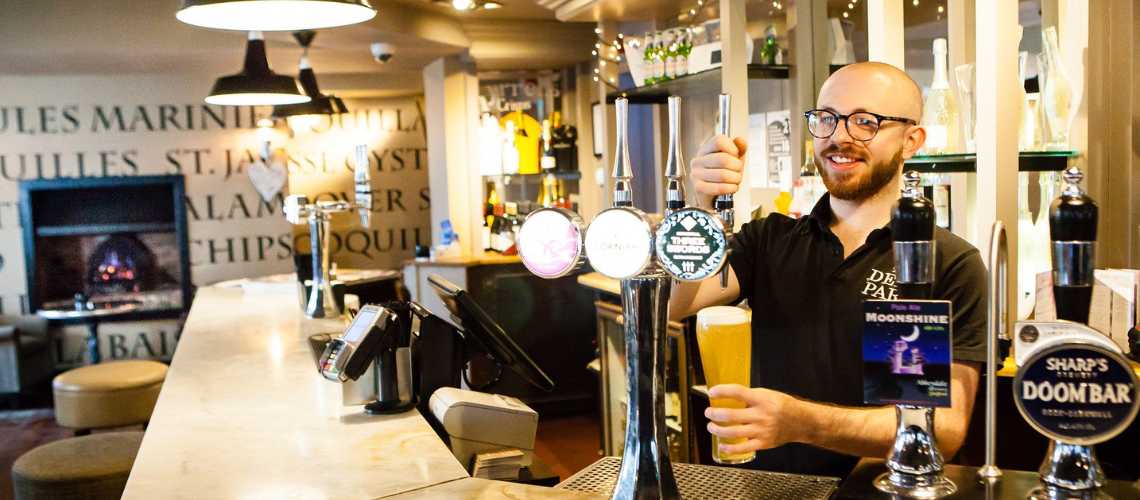
Too often, in our highly social industry, pub bosses become the work parent, taking on the duty of care of a mum, dad or guardian figure. This is where the blurring of boundaries begins, says Paddy, who explains that being a work parent isn’t the best manager a person needs. “People come to you needing help in areas that you’re not qualified to deal with. You may try to be their therapist and consultant, but what is really happening is that you’re promoting a lack of boundaries, which isn’t good.
“To keep ourselves and our teams healthy, we can’t set ourselves on fire to keep the team warm – you just burn yourself out in the process. Hospitality is a career, and managers need to maintain a level of professionalism and set boundaries that encourage that healthy disconnect between work and home life. Hospitality often talks about creating family cultures, but unless you’re blood related, you are, in fact, colleagues that care,” he says. Paddy continues that when people have been acting this way for generations, it can feel uncomfortable to do anything else. “But if we continue to perpetuate the same cycles, then we will get the same results,” says Paddy, whose sessions have been seen by more than 30,000 hospitality professionals.
How to create healthy change

Step ONE: recognition is the first step in creating change. Hospitality requires individuals to leave their vulnerabilities at the door and smile through whatever it is they are feeling – it’s all part of the culture, says Paddy. Having conversations with team members before work to ask human questions that will unlock real understanding and result in better and more professional relationships.
Step TWO: stop rewarding with booze. For decades, hospitality has rewarded people by giving them alcohol. “You let them get drunk on evenings out, then shout at them the next day for turning up late,” says Paddy. Rewards should bring benefits. When given the choice, teams will often ask for things like mattress toppers, eye masks, insoles for trainers, discounts for haircuts, Indian head massages and retro alarm clocks, to help keep tech outside of the bedroom. Organise team nights out that don’t revolve around people getting drunk.
Step THREE: start the conversations – end the silence, or as So Let’s Talk calls it, 86 The Silence – a US term that’s used in the restaurant industry to indicate something isn’t available.
Step FOUR: put a meaningful focus on things that make an individual’s life better: good sleep and diet, better habits and exercise, the creation of healthy connections with others or with nature, having mental health and wellbeing support.
Ask your team these five questions, says So Let’s Talk:
- How much valuable sleep did you get last night? If they’re not getting enough good sleep find out why, because a lack of sleeps creates problems. Encouraging teams to have pre-bedtime routines, turning TVs and phones off, keeping tech out of the bedroom, etc, are all key to getting a good night’s sleep.
- When’s the last time you had a home-cooked, nutritious meal?
- When was the last time you said ‘no’ to something that was bad for your health?
- How much alcohol have you consumed in the last seven days?
- How are you feeling right now?
“Leaders are giving teams what they think they want, not what they need,” says Paddy. “It’s a powerful message to ask how you can support them, asking what they need.
“There’s a huge shift needed to be kind to ourselves. We’ve spent decades forming bad habits and changing them overnight is unrealistic. We need to change the culture and create somewhere people will choose to want to work: to choose a job in a pub over one in a call centre, for instance. “So Let’s Talk is working to get rid of the silence around these negative aspects and invite people to start having conversations with themselves and their people in order to create positive change.”