I remember the first time I got drunk quite vividly. I was 15 and a classmate was having a joint birthday party with her sister who was turning 18. I had tried alcohol before, but this was the first time I got drunk. After a few drinks I realised that any feelings of anxiety had gone completely. I was dancing. I was talking to people. I felt fantastic. I remember thinking, this stuff is magical. It can solve everything. And so began my love affair with drinking.
I quite quickly realised that alcohol does not in fact solve everything – it can actually cause a lot of problems. Moderation was not something that worked or seemed particularly interesting to me. I liked the confidence alcohol gave me. It made me social, outgoing, and (I felt at the time) fun to be around. But it also made me extremely emotional. You know there’s always that one girl wasted and crying in the smoking area? That was usually me.
Aged 26, after eleven years of drinking, I finally decided to quit. I was still a very emotional drunk, the hangxiety was only getting worse, and I never did quite manage to master moderation. Almost a year and a half later, I can honestly say it’s the best decision I’ve made for myself and my mental health.
One of my biggest fears – probably the one that kept me from quitting for so long – was that I wouldn’t have fun anymore. Pretty much every social activity that I did, involved drinking, and I always loved going to the pub. Alcohol was a real social crutch. In my first year of sobriety, I actually did a lot. I probably saw more of London than in all the years I’d lived there as a drinker combined. However, I still found myself either avoiding the pub, or not feeling very comfortable when I was there.

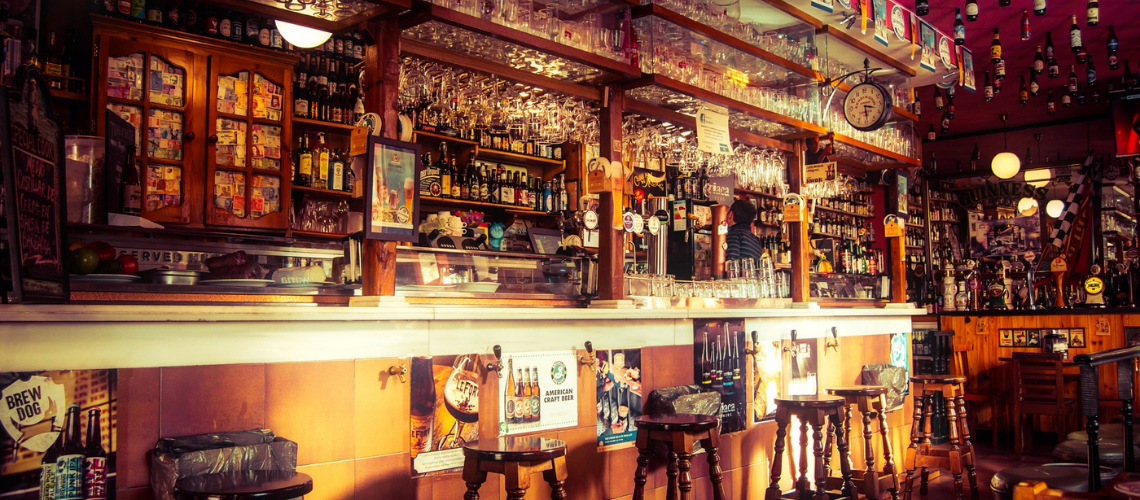
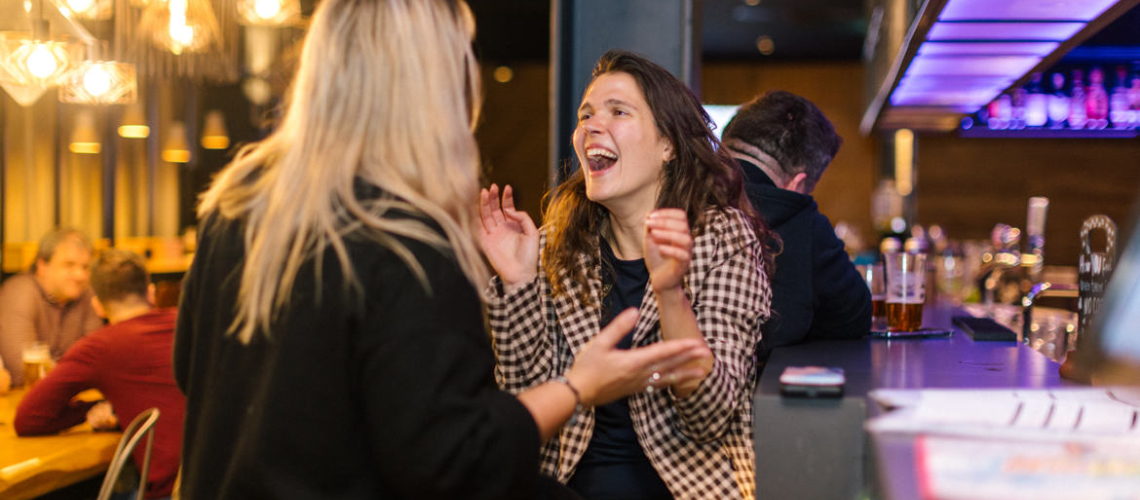
This year I really wanted to push myself out of my comfort zone socially, and this included getting back into pubs and bars. While many of us associate the pub with drinking or getting drunk, at its core, the pub is a place to socialise and connect with others. It can be a little nerve-wracking early on in sobriety when you’re the only one not drinking, but having conversations in pubs with people about my sobriety has made me realise that many people actually want to cut down and are more interested than judgemental. I don’t think I’ve ever had a negative reaction to me being sober on a night out, and the more time I spend sober in pubs, the more I realise how much I enjoy being there.
Younger generations are drinking less, and sobriety is becoming a more popular option. It’s great to see brands jump on the trend, providing us with more low and no alcohol options. It’s refreshing to go into a pub and have a choice of different alcohol-free beers and mocktails, rather than having to sip on a lemonade or the only 0.0% beer they have. Not all pubs have a lot of choice though, so in the future I’d like to see a more varied low/no menu in every pub. Looking at the menu and having choice is a great way to make everyone feel welcome. At the end of the day, the pub is a social environment, and sober people still want to socialise! To neglect this demographic would be missing a trick.